

March Ministry Update
Check out what we are learning in classes, why we will be back in CA in just 2 weeks, and what we are doing over summer!
LEARN MORE ABOUT SYNCRETISM
This article gives a great synopsis of what syncretism is and the dangers it poses to foreign missionaries.
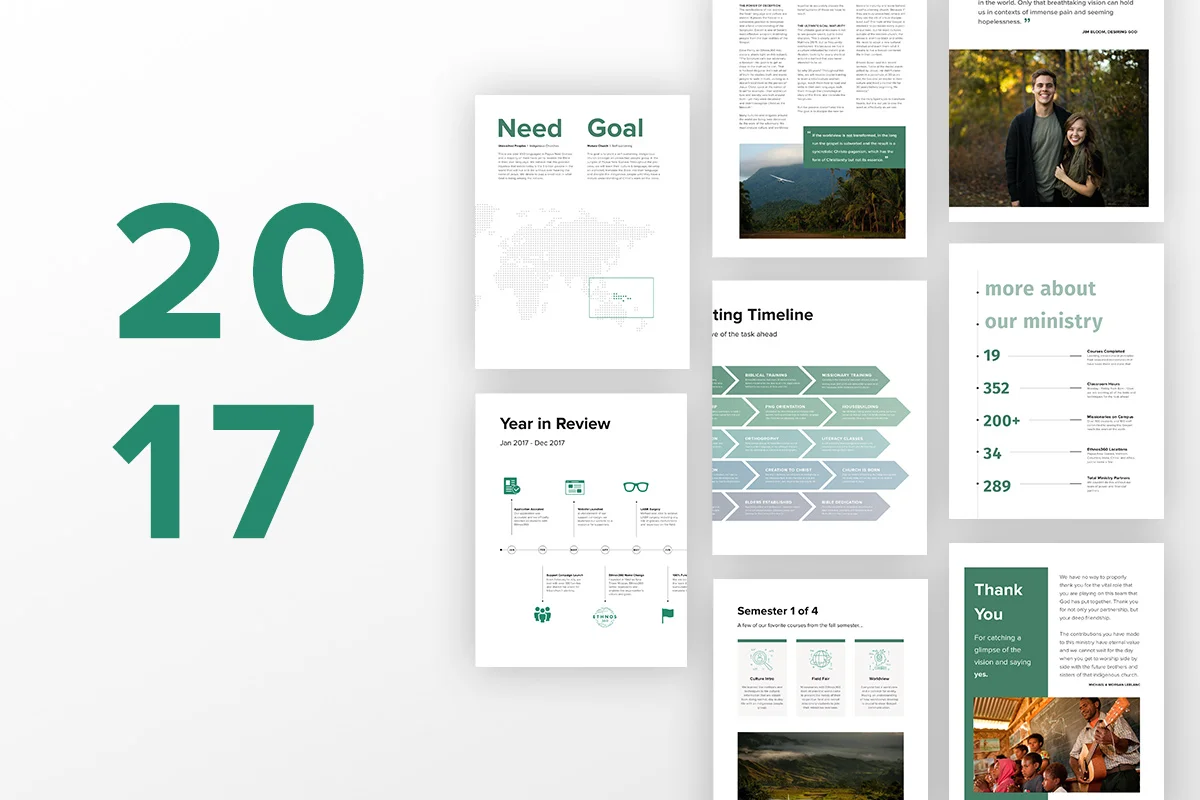
2017 Annual Impact Report
Over a year ago, we set out with the dream of reaching an unreached people group. Here are some of the highlights of our first year in ministry!

2017 Annual Impact Report
Over a year ago, we set out with the dream of reaching an unreached people group. Here are some of the highlights of our first year in ministry!

Arriving June 2018
We have one in heaven and one on the way! We are officially 12 weeks along and can't wait to meet him or her!

Nash LeBlanc ENTERING OUR LIVES IN
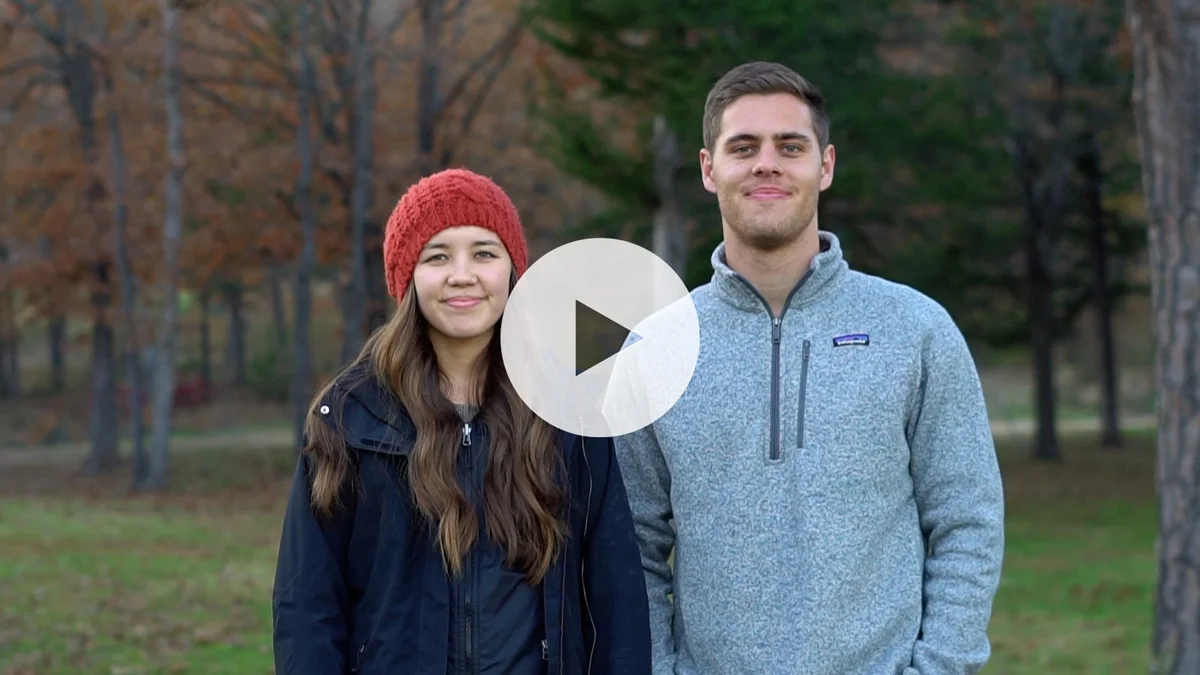
November Ministry Update
We've been busy the past couple of months and we want to get you up to speed with all of the things that happened!
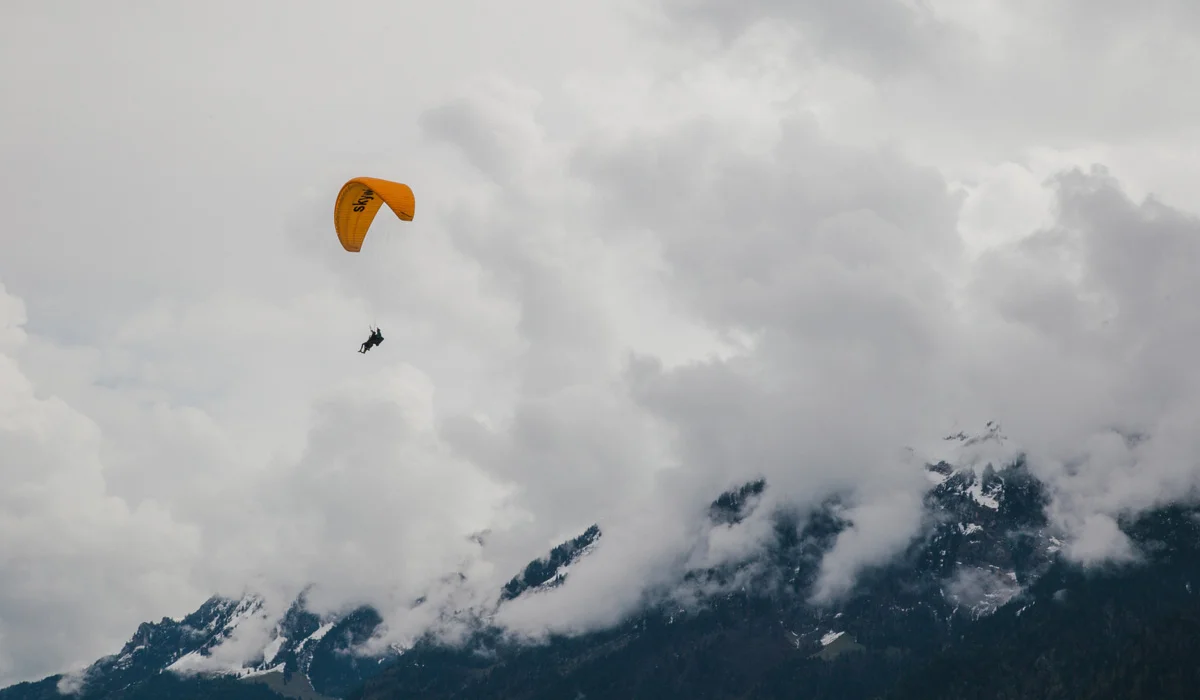
Leaving the Parachutes Behind
One of the most frequent questions we receive: “Why does it take so long?!?”
In a Western world consumed by instant gratification, there is one big question that frequently comes to mind when we tell people our plans for the next 20 years…“Why does it take so long?” The standard process for Ethnos360 missionaries includes 2 years of Biblical training, 2 years of missionary training, and then after finally touching down in country, it could be another 20 years until a church is finally planted. Is all of this necessary?
The goal is to reach an unreached people group, but we aren’t looking to parachute in and preach the Gospel; we want to address change at a worldview level.

ADOPTING A NEW LENS
Whether we know it or not, everyone has a worldview, a lens through which one views the world. These worldview assumptions affect they way we view reality and therefore, how we believe life should be lived. We begin developing our worldview from the day we are born, and it continues into our adult life as they are impacted by family, friends, education, media, religion, and nearly every other socio-cultural institution.
This makes ministry extremely difficult when we begin to analyze the worldviews of people from another culture. For example, many of the animistic people groups of Papua New Guinea believe in the spiritual indwelling of both animate and inanimate objects. They already have preconceived concepts and stories for the origin of man, life, sickness, and death. If we want to communicate the Gospel clearly, we must take the time to study and understand every aspect of their worldview. Proverbs 18:13 strongly warns us on this topic, “If one gives an answer before he hears it is his folly and shame.”
So how do we change one’s worldview? David Hesselgrave, author of Communicating Christ Cross-Culturally, argues that stories are the mode in which worldviews are best transmitted from generation to generation and from one people to another.
When we fully understand the culture of an unreached people group, only then can we begin the process of rewriting the stories of their life and teaching the Gospel. 2 Corinthians 3:3 says that we are a “letter from Christ” and that our actions and behavior will tell the story we live.
Donald Miller illustrates this point well, “A story is based on what people think is important, so when we live a story, we are telling people around us what we think is important.”

If we choose not to minister at a worldview level, the dangers are severe, and Paul Hiebert puts it best when he writes, “If the worldview is not transformed, in the long run the gospel is subverted and the result is a syncretistic Christo-paganism, which has the form of Christianity but not its essence. Christianity becomes a new magic and a new, subtler form of idolatry.”
CULTURE AND LANGUAGE ARE INTERWOVEN
If you look up international religion statistics, it will likely say that the country of Papua New Guinea is 100% reached - but these statistics can not be further from the truth. The reason that most organizations categorize PNG in this way is because they have the Bible translated in the national trade language (Tok Pisin). The problem though, is that most people groups in PNG don’t speak the national language, and even if they did, the cultural complexities of each people group vary so much from people to people that they wouldn’t understand what it says. If we are to effectively reach an unreached people group, the heart language and culture must be learned together, because they are so tightly interwoven.
1 Corinthians 14:10–11 furthers this point, ”There are doubtless many different languages in the world, and none is without meaning, but if I do not know the meaning of the language, I will be a foreigner to the speaker and the speaker a foreigner to me.”
We even get a glimpse of these complexities within the English language, as we have several phrases native to our American culture that don’t make sense to other cultures. For example, if I were to say “Can we rain check for another time” you likely understood what I meant, but someone from Britain may have trouble understanding that expression because the words mean something totally different in their culture. Similarly, if I were to say “horses for courses," a majority of you would not understand the Brittish phrase. Same language, vastly different cultures.

Another reason we must learn the heart language and culture is to safeguard new believers from paternalism. It decentralizes power from the missionary to the people, allowing the tribal people to clearly understand and decide for themselves what they believe while having full access to the truth. The Gospel is not about us white missionaries, but about Jesus and His promise to build His church and redeem mankind.
THE POWER OF DECEPTION
The ramifications of not learning the heart language and culture are eternal. It places the hearer in a vulnerable position to deception and a false understanding of the Scriptures. Deceit is one of Satan’s most effective weapons in blinding people from the true realities of the Gospel.
Dave Percy, an Ethnos360 missionary, sheds light on this subject, "The Scripture calls our adversary a deceiver. His goal is to get as close to the truth as he can. That is his best disguise. He’s not afraid of truth; he studies truth and wants people to walk in truth...as long as it doesn’t lead them to the person of Jesus Christ. Look at the nation of Israel for example - their entire culture and society was built around truth - yet they were deceived and didn't recognize Christ as the Messiah.”
He continues to say, “The power of deceit is how close you come to the truth. For example, you can travel to a different country and often find knock-off American clothing brands for a fraction of the price, and the manufacturers are getting better and better at replicating the real thing. But despite how close they come to truth, it is not the truth. It’s a fake.”
Many cultures and religions around the world are living lives deceived by the work of the adversary. We must analyze culture and worldview together to accurately discern the belief systems of those we hope to reach.
THE ULTIMATE GOAL: MATURITY
The ultimate goal of missions is not to see people saved, but to make disciples. This is clearly seen in Matthew 28:19, but so frequently overlooked. It’s because we live in a culture infatuated by instant gratification, looking for every shortcut around a method that was never intended to be so.
So why 20 years? Throughout this time, we will receive crucial training to learn a tribal culture and language, teach them how to read and write in their own language, walk them through the chronological story of the Bible, and translate the Scriptures.
But the process doesn't end there.

The goal is to disciple the new believers to maturity and leave behind a self-sustaining church. Because if they are truly unreached, where will they see the life of a true disciple lived out? The truth of the Gospel is intended to permeate every aspect of our lives, but for most cultures outside of the western church, the answers aren't so black and white. We need to adopt a new cultural mindset and teach them what it means to live a Gospel-centered life in their context.
Brooks Buser said in a recent sermon, “Look at the model exemplified by Jesus…He didn't come down in a parachute at 30 years old; He became an insider in their culture and lived a normal life for 30 years before beginning His ministry.”
We see these truths also reflected in the Parable of the Sower. The sower casts seed onto the path and rocky ground, but they are snatched up and fail to take root. Without doing the work to prepare the soil, break it up, and nurture it after it starts growing, there is no hope for true, genuine growth.
It’s the Holy Spirit’s job to transform hearts, but it is our job to sow the seed as effectively as we can.
Life in a Nutshell
We have already learned so much and want to share some of the highlights and updates from our first month here!
Friends, food, and fun
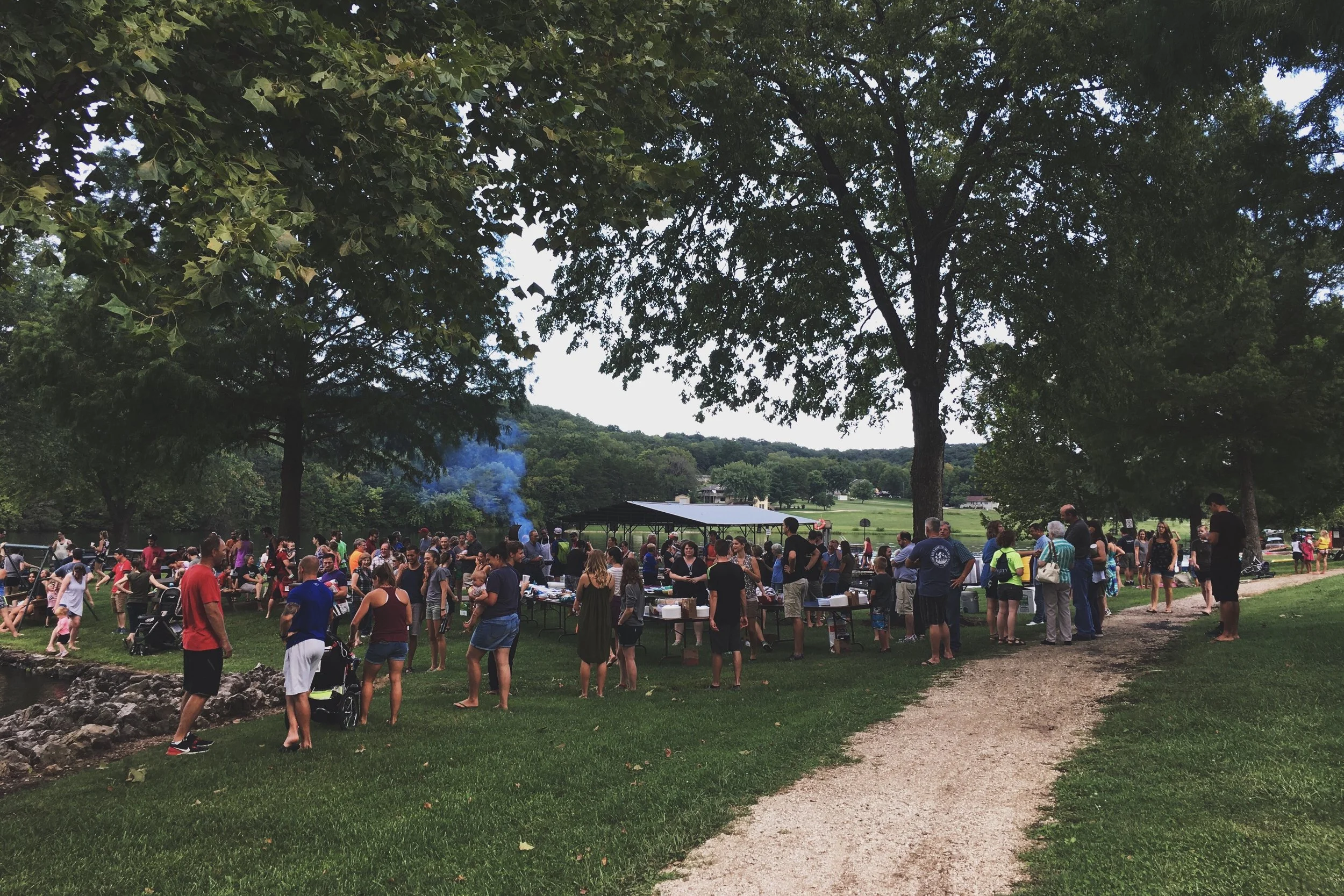
Hands down, our biggest prayer request before we left California was that God would prepare deep community here at the training center in Missouri. The enemy works tirelessly to make us feel isolated and alone, yet our hearts have been so encouraged as we have been surrounded by people from all over the world who share the same dream to plant a church amongst an unreached people group. From sports to coffee to BBQ’s (pictured below), it seems like there are always different social events going on around campus with opportunities to connect.

WE DON't HAVE THESE IN CALIFORNIA
Hailstorms! We experienced our first storm a couple weeks ago, with ice chunks larger than golf balls raining from the sky. The locals said it was one of the worst hailstorms that they had had in years, and I think my car would agree as we got hit with some major hail damage.
WORLD CLASS TRAINING
Ethnos360 is well known and highly regarded for their extensive missionary training program here in Missouri. We are so grateful to spend two years under the leadership of seasoned missionaries and learn from their experiences on the field. We have the opportunity to take classes on a wide array of different topics such as worldview, linguistics, suffering, sustainable integrity, phonetics, and mature church principles, to name a few! Over the next two years we will be soaking in a lot of information, and while at times it feels like drinking from a firehose, we are so appreciative of the molding process we are stepping into.
100% TOTALITY
The Great American Eclipse was pretty much all that was talked about here in Missouri for weeks leading up to the day. Some people even stood in line for 3+ hours to purchase a pair of NASA-certified eclipse glasses! Our training campus in Roach, MO was slotted to receive about 99.2% totality, so we drove an hour up to Jefferson City to watch the eclipse (Chick-fil-A was the main motivation for driving an hour, the eclipse was just a bonus). It was one of the most incredible things that we have ever seen! We received almost 3 minutes of totality with the sun fully covered and wisps of light flowing off from behind the moon. I have yet to see a picture that does it justice.

LIFE ON LIFE
One of the biggest blessings here at the training center is the opportunity to do life with people. Every student is placed in a community group (called E-LINC) with a group of about 12 other people, and we meet twice a week to fellowship, encourage, challenge, and pray for one another. In addition, all of the staff here on campus - whether they are teachers, maintenance, or administration - have significant experience in church planting and are great resources here for students.
THE BRIDE OF CHRIST
There are numerous churches in the surrounding area, and we have prayerfully chosen Calvary Lake Ozark as our new home church while we are in Missouri. There is no perfect church, but we have felt so welcomed in our short time here, and are really excited about the various opportunities to get involved.
IN OUR FREE TIME
Outside of our normal load of courses, campus-work, ministry requirements, and church involvement, we have been enjoying the free moments in our week to take advantage of the fun opportunities around us. We can be out the door and in a canoe in under five minutes! And our drought-filled, noisy California souls have been loving the calm, relaxing nature of the water with a good sunset in view. We also have weekends free, so we have made a couple trips into Springfield, exploring the largest Bass Pro Shops in the world as well as some great Thai food and coffee shops.

prayer requests
There are several important family and ministry decisions on the horizon that will have a significant impact on the next 2 years here as well as our ministry on the field. We would also appreciate prayers for wisdom as we look for an area of ministry to serve in at our new church. Last, we are seeking vision for some upcoming ministry developments that we hope to be announcing soon!
Orientation 2017 // Brooks Buser
Our prayer is that you would be just as encouraged by these 3 sermons as we were.
Brooks and Nina Buser were missionaries with New Tribes Mission to the Yembi Yembi people group in Papua New Guinea. After establishing a successful, self-sustaining church, Brooks currently serves as the president of Radius International.

Brooks gave these 3 sermons as part of our orientation kick-off at the Missionary Training Center. Our prayer is that you would be just as encouraged by them as we were.
"Are you going to be like the ones who come and go? Or are you coming to stay?"
"Endeavor tirelessly to become insiders in the people group God calls you to. Jesus didn't come down inn a parachute at 29.5 years old; He became an insider and lived a normal life for 30 years before beginning ministry."
"Nothing will ever come close to watching the gospel penetrate an unreached people group for the first time."
"Up until the 1990's, the #1 reason people left the field was because of coworkers and team conflict. Now, the family is the biggest reason people are leaving."
"The last acceptable idolatry in the West is the idolatry of the family."
"It takes 1,000 right decisions to make it into the tribe; it takes 1 wrong decision to go home."
"Pay the price now, so when we get to the promise land, it's worth enjoying."
Want to learn more about Brooks and his family? Watch their journey in this powerful documentary.
Questions, comments, or want to talk about one of the messages above? Shoot us a quick email!
Missouri Musings
What are you doing? Where are you living? How's the weather? All of the ins and outs of our new life in Missouri!
WHAT ARE YOU DOING?
Morgan and I have officially left our previous occupations and moved to Missouri to embark on two years of missionary training with our sending organization, Ethnos 360 (formerly known as New Tribes Mission). We share a dream to plant a church amongst an unreached people group (a process that could be anywhere from 10-20 years), so there is a long list of skills and techniques that are necessary to acquire before moving overseas.
WHERE ARE YOU?
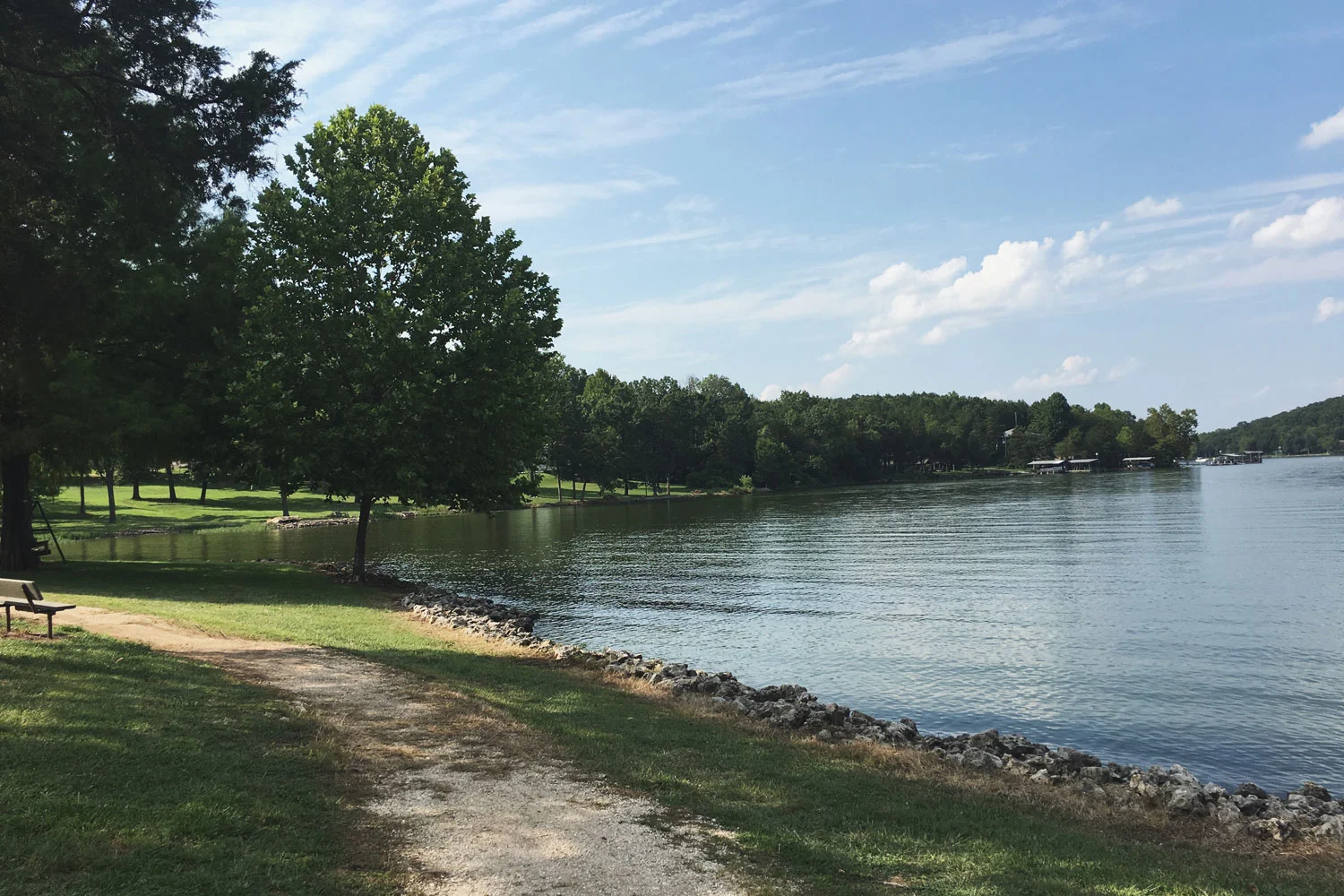
We are currently at Ethnos 360's Missionary Training Center (MTC) in Roach, Missouri (I know, Roach sounds super depressing, but look at how pretty the lake is!). The campus is near the Lake of the Ozarks, which is a huge tourist attraction (over 1,100 miles of shoreline property), about 1.5 hours from Springfield (see map below). Although the Midwest is a big sub-culture shock in itself, we are adjusting well and loving our new home.

WHAT IS YOUR ADDRESS?
Michael & Morgan LeBlanc
134 Main Drive
Roach, MO 65787
HOW'S THE WEATHER IN MISSOURI?
So far, the weather has been different every day. Mostly warm (in the 80-high 90's) and humid. Some rain, and it looks like we are supposed to get more in the days to come! We are excited to actually experience all 4 seasons, which we have heard may all occur in the same week!
WHAT'S THE CAMPUS LIKE?
The Missionary Training Center campus is comprised of small apartments, teaching classrooms, and administration buildings. There are about 200 people living on campus, with some additional teachers or mentor families living off campus nearby. The campus is beautiful, with lakefront property on the Lake of the Ozarks.

WHAT ARE YOUR LIVING ARRANGEMENTS LIKE?
We live in a building that houses other students in training, but we have our own little apartment. It's super cozy (thanks to my sweet wife), 480 square feet, 2 bedrooms, and has lots of quirks! It has been nice getting settled in after feeling like nomads all summer! Here are some pics!


HOW ARE THE PEOPLE?
The people are so great. Everyone we have met in Missouri so far has been very friendly (both on campus and off). There is a whole host of different opportunities for community here: we will be joining a discipleship group of missionary families, meeting with mentor couples, joining an off-campus ministry, and serving at a local church. Deep, meaningful community has been one of our biggest prayer requests the past 6 months, and we have been so encouraged in our short time here.
WHAT WILL YOU BE DOING DAY-TO-DAY?
We will be in classes Monday-Friday from 8am-12pm, with classwork and other responsibilities outside of that both on and off campus. We don't exactly know what day-to-day life will look like yet, but classes start this Monday, August 14th, so we will have a better idea soon! Here is a grid of our semester schedule; if you would like to receive updates (additional to our normal updates) and notes from our courses, you can email us and let us know!
HOW CAN WE BE PRAYING FOR YOU?
The past month has been a whirlwind, but we are so grateful to finally be settling down a bit. Please be praying over the transition, as we are in place of newness - new state, new home, new people, new responsibilities, and new courses beginning soon. We are so excited for all that we will be learning, and the amazing people we have the opportunity to learn from, and we would love prayer that we would have teachable hearts and a willingness to absorb as much as we can.
HOW CAN WE GET INVOLVED?
We would love to have you on our team! We cannot do this without our team supporting us prayerfully, emotionally, physically, and financially. We truly believe that you are just as much a part of our ministry as we are, and we would love to meet up and share our mission to see the local church reach the lost. If you'd like to connect in any way, you can get involved here or shoot us a quick email saying hello 👋🏼. For those that are already a part of our team, we would LOVE a letter, package, or best of all...YOU!

The Child That Never Comes
On Friday, June 9th, Michael and I found out that we had a miscarriage at about 10 weeks.
05/06/17 (4 weeks)
“Dear Baby, yesterday your daddy and I found out that we were pregnant. We were in Iceland when I took three tests, all confirming that you are on your way! You are already so loved my darling. We have prayed for you for many months, and the news of you is a miracle in itself. We can’t wait to meet you. Your mommy and daddy love you so much. Keep growing baby!”

On Friday, June 9th, Michael and I found out that we had a miscarriage at about 10 weeks. What started out as minor spotting soon turned into our worst fear confirmed, followed by weeks of heavy bleeding, extremely painful cramping, weekly labs and ultra sounds, and countless appointments. We were heartbroken. In what seemed like an instant, we went from giddy parents anxiously awaiting the arrival of our little one to simply two people again, unsure about how to move forward in light of the news we just heard. We prayed that we would get pregnant the first time with a girl, and somehow, I knew we did. We named her Charlotte Jane.
We cried. And then we cried some more. When the doctor broke the news to us, I bit my lip in an effort not to fall apart right there on the spot, telling myself to hold it together and that this was not uncommon and that I shouldn’t feel sorry for myself. All the while, I struggled to focus on what the doctor was saying to us, “…miscarriage…baby stopped growing…no heartbeat…not your fault…chin up honey…” and something else about how there’s good news because I'm young and we can try again right away. I was too angry to be sad, but when I opened the door and was met with three nurses all with teary eyes giving me the sad lip, I lost it. I didn’t even make it out of the building before breaking into heavy sobs as Michael nearly carried me to the car, where we would try to make sense of the past hour.
Waking up the next morning was the hard part.
I woke up, realizing that yesterday wasn’t merely a bad dream, but a reality that now set my life back to “normal.”
No more weird pregnancy side-effects that I would have gladly welcomed at this point.
No more waking up every other hour of the night to go to the bathroom.
No more coffee/dietary restrictions.
No more prenatal vitamins 3x a day.
No more praying over our baby.
No more researching pregnancy-safe products.
No more need for the baby carrier Michael just bought.
No more Charlotte.
On the outside, it looked like life had returned to normal.
Like it never happened.

The weeks to follow were a blur of deep sadness. Because we chose to let the miscarriage pass naturally, the next few weeks were filled with weekly doctor appointments and lab work to monitor my levels and make sure everything was passing smoothly. The bleeding got heavier and the cramping intensified, as the cervix dilates to pass the particles and blood clots, essentially throwing your body into a mini labor (with no mini epidural, I might add).
I hated my body. I felt like it was mocking me. The seemingly never-ending contractions were a constant reminder that instead of going through the pain knowing that I would soon hold our baby for the first time, my body was expelling our child whom I would never have the chance to hold. It was an absolutely terrifying process.
I was suddenly hyper-aware of every pregnant lady, every stroller, and every diaper commercial on TV. I continued to receive targeted-ads on Pinterest, Instagram, Facebook, and Google from all the baby-related googling I’ve done over the past couple months - serving as round-the-clock reminders of what we were not going to be experiencing in the next 9 months.
Studies show that 1 in 3 women will experience a miscarriage at some point in her life. That means that many of the women reading this have already experienced a miscarriage (or multiple), will experience one, or know someone close to you that will experience one.
We didn’t really know who to tell about our miscarriage or how to tell them. I soon realized my miscarriage story made people uncomfortable, and that wasn’t their fault. That’s because it is rarely talked about, and so many women are suffering silently because most view early miscarriage as not a big deal.
I’m not writing for sympathy or to be looked at as a victim, and I know that everybody’s story is different. I’m writing because we live in a hush-hush culture that doesn’t know how to respond to pain or grief or how to simply sit in the brokenness of life, and I think it’s important to talk about.
David Platt describes this grieving process well:
“There is a unique pain that comes from preparing a place in your heart for a child that never comes.”
In the midst of our pain, I know that God is good and that He is for us. I know Him to be sovereign, and He sees things from a perspective I cannot fathom as a mere human. His character and His love for us remain constant.

It is possible to go through painful experiences and have complete peace of heart and a quiet soul. The Lord quickly told me in all of this that He wanted to teach me to release control. He is showing me that worrying doesn’t change the outcome of things that are ultimately not up to me, whether that is worrying about a pregnancy, or uprooting our lives here in Southern California and leaving family to follow the Lord to a new and unfamiliar place. I can play out every possible scenario in my mind and dream up all the ways that things can go wrong, OR I can actively choose to trust Him (often a minute-by-minute decision) and take Him at His Word when He promises that His presence is with us. I can choose to surrender, and when I (finally) do, I am met with His sufficiency and reminded of His complete capability to be God.
He is also showing me that it is to our benefit to walk through trials and difficult things so that we are able to better empathize and show compassion to others in the future. Obviously we don’t go looking for hard circumstances or wish them upon ourselves, but I would rather choose the route of pain in order to see people more clearly in their similar brokenness than simply wishing I knew what they were going through.
We live in a broken, fallen world full of evil and heartbreak, but I am confident that the Lord will redeem it all on that final day. I can’t help but think of how He might use this experience to uniquely minister to the women in Papua New Guinea. Because of the culture in PNG, most of my time will be spent with the women; many of which have or will experience the pain of loosing a baby. Complications surrounding pregnancy is not uncommon in PNG, and now given the experience I’ve walked through, I pray that I would feel and understand their burden as a mother who has lost a child. The Lord does not waste our pain.

Before my miscarriage, I was ignorant. I thought that miscarriages sort of happened overnight and that was it. I had no idea of the physical and emotional side effects, or how to care for someone walking through it. Now, having somewhat of a better understanding and talking with other women who have experienced one, I wanted to share some things I’ve learned in hopes that you might be able to better understand how to care for someone facing one.
What not to say:
“At least you have your other kids”
This is not helpful. Although a woman’s other children may help ease the pain, the pain is for this baby, not the other kids.
“You can always have another one”
People don’t just want any baby, they want the one that was growing inside them that they bonded with. A baby isn’t something you can replace.
“At least you know you can get pregnant”
Getting pregnant isn’t that simple for a lot of women. Maybe she was told she’d never have kids.
“At least it was early”
Does it matter? A miscarriage is a lost child, and there are still many prolonged emotional and physical side effects.
Rather, just be present. Listen. Check in on them. Validate what they are feeling, and give room to process, even if you can’t relate. Offer to stop by, make a meal, or whatever would be most helpful to her.
There was a temptation as I was writing this post to be more broad, lighten things up a bit, and be a little bit more cheerful. I didn’t want to come across as depressing or overly dramatic about something that happens to plenty of people. Even just writing out our story on paper feels risky. Vulnerability is risky, but our prayer is that someone might be blessed by these words and find solidarity in our experience.
I wish I was writing this from a place of complete healing, closure, and peace, but instead, it’s written from a place of brokenness. We are still processing, still walking through this, and still bringing our hearts before the Lord. As easy as it would be to praise Him for His faithfulness if we didn’t lose our baby, we know that in the midst of miscarriage, He is still faithful. And for that we are able to praise Him now.

Rest in a Performance-driven Culture
I’m the biggest hypocrite when it comes to rest.
I’m the biggest hypocrite when it comes to rest. Last fall, I spent a lot of time reflecting on the topic...I read through Garden City by John Mark Comer (instant favorite), listened to podcasts, and watched documentaries about slowing down. I was left inspired, convicted, and just about every other emotion in between.

I quickly realized that I had been running at a million miles an hour, completely ignoring signs from my body to rest. I was on my iPhone 24/7, constantly running from place to place, and plagued by the feeling of needing to do more and be more.
Why? Because our performance-driven culture says the more you do, the more successful you will be, and the better life you will have. And a vast majority of people would agree; we even feel the compulsive need to tell people how busy we are, as if it is a competition where the busier person wins a badge of honor.
However, Jesus says the complete opposite: “Come to me, all who labor and are heavy laden, and I will give you rest. Take my yoke upon you, and learn from me, for I am gentle and lowly in heart, and you will find rest for your souls. For my yoke is easy, and my burden is light.”
Throughout the Scriptures, we see a trinitarian model for rest. God created the heavens and the earth, and on the seventh day, He rested. Jesus withdrew to the wilderness and rested. And the Spirit of God is the one who provides rest.

God is the only being that doesn't need to rest, yet he does…to model it for us. Netflix is not rest. Social media is not rest. True rest comes from time spent alone in the presence of God.
I love the way John Mark Comer describes rest:
“That’s why Sabbath is an expression of faith. Faith that there is a Creator and he’s good. We are his creation. This is his world. We live under his roof, drink his water, eat his food, breathe his oxygen. So on the Sabbath, we don’t just take a day off from work; we take a day off from toil. We give him all our fear and anxiety and stress and worry. We let go. We stop ruling and subduing, and we just be. We “remember” our place in the universe. So that we never forget…there is a God, and I’m not him.”
…so I made a few changes.
I started getting into work early each day just to be with the Lord. Most of the time, I just sat there and listened, and most of the time, it was really hard. Solitude is one of the most difficult, yet most rewarding disciplines we can foster and develop.
I started an experiment called the “distraction-free iPhone,” where I deleted almost all the apps on my iPhone except messages, camera, and a handful of others. No more safari, no more mail, no more distractions. Studies show that nearly 80% of people ages 18-44 check their smartphone within minutes of waking up in the morning. We have become robots craving social connectedness and productivity, but iPhones have done the complete opposite; they have made us less connected and less productive.
Morgan and I started to Sabbath once a week, where we literally wouldn’t do anything that was not considered restful. We didn’t buy anything, we didn't do any errands, we didn't work. For some reason, this concept of structured rest time was so foreign to me, but it has become the best day of our week.

As a result, I felt more present, more connected, and less anxious. I was experiencing more of the in-between moments that pass by in our daily rhythms. I was experiencing God in a way that brought a deep sense of peace to my soul.
Then, slowly but surely, I began to fall out of rhythm, and 6 months later, I found myself back at the start.
Only this time, with ministry.
We started support raising at the end of January, and shot out of the gates, doing 6-7 meetings per week. In other words, almost every single day after work we were with families, sharing the vision we have for church planting in PNG.
This went on for about two months, and we ran ourselves dry.
Looking back, Morgan reminded me of our need to rest on a number of different occasions, but it didn’t click until the Lord made it painstakingly clear.
I was on a walking meeting with my CEO (because that’s what all the cool tech startups do), and I was telling him about our busy schedule, and how we were hustling so much, and how we had this great vision, and how we wanted to get as many people on board as possible!
He responded with a simple question, “What would happen if you did 3 meetings a week, and spent the other days in prayer and rest?”
Immediately, I felt like the Israelites of the Old Testament…we tend to read stories about how God delivered them time and time again, and almost laugh to ourselves when we read on the next page that they turned back to their former ways. Yet, in the same way, I had just come out of a season of learning so much about rest, and was so quick to fall back to my fleshly tendencies.

So we scaled back.
And the support came flooding in.
Two days later we got a $1000 anonymous donation, and within a week, our monthly support level nearly doubled!
I was completely humbled by the experience. For the first time, I wasn’t able to just work harder. I had to fully rely on God and allow more room for Him to work.
We were created for good, meaningful work, but we were also created for rest. There is an important balance between the two, and the only way to do either well is by abiding in the Father. He loves us too much to let us continue running on fumes by our own feeble strength. This truly is the Lord’s ministry, and He made it very clear that we would be back in PNG one day, so we are resting in Him to provide the means necessary.
In a performance-driven culture that says, “do more”, “be more,” and “work harder,” I pray we would be quick to recognize the lies of the enemy and lean into the only One who doesn’t need rest, yet modeled it for us simply because He loves us.